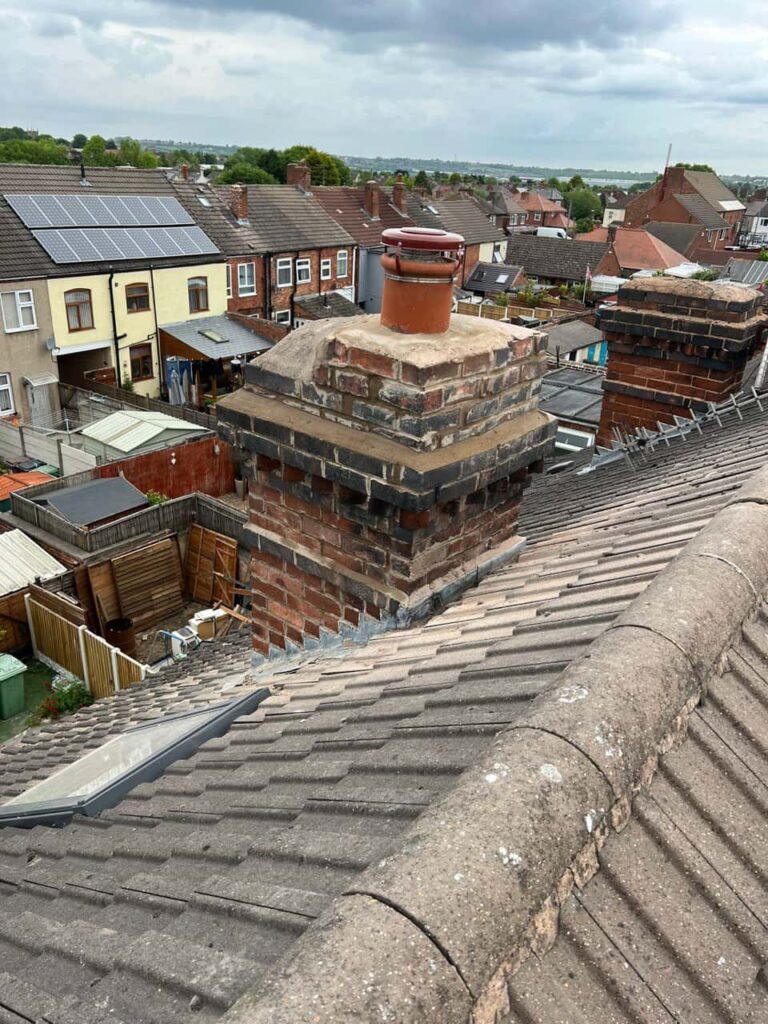
A cracked or slipped roof tile can often be dealt with as a straightforward localised repair. If the surrounding roof remains sound and the cause is isolated, replacing or repositioning the affected tile may be all that is required. However, when tile problems become frequent, affect several areas or are accompanied by leaks and other signs of deterioration, they can indicate that something more significant is happening.
For homeowners in Narborough, Lincolnshire, understanding why tiles have cracked or moved is just as important as identifying the damaged tiles themselves. A professional roof assessment can establish whether the problem is genuinely isolated or whether deteriorating fixings, supporting components, previous repairs or the wider condition of the roof also require attention.
When Should Damaged Roof Tiles Prompt a Wider Roof Assessment?
The number of damaged tiles alone does not determine how serious a roofing problem is. Their location, the reason they have failed and the condition of surrounding materials all provide important information.
One tile damaged by an isolated event is very different from several tiles gradually slipping across the same roof slope. Looking at the pattern helps determine whether a targeted repair is appropriate or whether the visible damage is part of a wider roofing issue.
One Damaged Tile Can Often Be a Localised Problem
A single cracked tile does not usually mean that the entire roof is deteriorating.
Individual tiles can occasionally become damaged while neighbouring materials remain perfectly serviceable. If the affected tile can be replaced securely and there is no evidence of deterioration around it, the repair can remain focused on that particular area.
The important step is confirming that the damage really is isolated.
Checking nearby tiles, fixings and the exposed area beneath the covering can help establish whether anything else contributed to the failure.
Several Slipped Tiles May Point to a Shared Cause
When several tiles begin slipping, particularly within the same section, it is worth investigating why.
Roof tiles rely on secure support and appropriate fixing. If several are moving within a relatively short period, there may be an issue affecting more than the individual tiles.
Simply repositioning each one as it slips may therefore treat the symptom without explaining the pattern.
A professional assessment can examine whether the problem is confined to individual components or whether the supporting and fixing arrangements in that area also require attention.
Repeated Tile Movement Deserves Investigation
A tile that has previously been repositioned but moves again can provide a useful clue about the underlying condition.
If the tile itself remains intact, repeated movement may indicate that the reason it slipped was never fully resolved. The fixing point, supporting material or surrounding roof covering may need closer examination.
The same applies when different tiles within one section repeatedly become loose.
Rather than treating every occurrence as a separate problem, examining the affected area as a whole can reveal whether the defects are connected.
Cracking Across Multiple Tiles Can Indicate General Deterioration
One cracked tile can be replaced. Numerous tiles developing similar cracks can tell a different story.
Roofing materials experience prolonged exposure to weather and temperature changes throughout their service life. As materials age, their condition can become less consistent.
If cracking is appearing across a broad area rather than in one isolated location, replacing only the most visibly damaged tile may not provide a complete picture of the roof’s condition.
The wider covering should be assessed to determine whether neighbouring tiles remain dependable or are showing similar signs of deterioration.
What Is Happening Beneath the Tiles?
Tiles are the most visible part of many roofs, but they form only one part of the roofing system.
Beneath the covering are components that help support the tiles and provide additional protection against weather. If these materials have deteriorated, visible tile movement can sometimes be a symptom of a deeper problem.
This becomes particularly important when tiles repeatedly slip despite previous repairs.
Assessing the affected section can help establish whether the tile itself is the only problem or whether the supporting components also require attention.
Water Ingress Changes the Significance of Tile Damage
A cracked or slipped tile deserves greater attention when there is evidence that water has entered beneath the roof covering.
Once rainwater reaches areas that would normally remain protected, it may travel away from the original defect before becoming visible indoors. A ceiling stain may therefore appear some distance from the damaged tile.
This is why replacing the most obvious cracked tile does not always guarantee that a leak has been fully resolved.
The likely route of water ingress should be considered alongside the visible roof damage so that the repair addresses the actual source.
Damage Near Roof Junctions Can Be More Complex
The location of a damaged tile can affect the type of repair required.
Tiles close to valleys, chimneys, roof-to-wall junctions, ridges or hips form part of areas where different roof components work together to keep water out. A defect in these locations may involve more than the tile itself.
For example, apparent tile damage near flashing may coincide with deterioration in the weatherproofing detail around the junction.
Assessing the complete area helps ensure that the correct component is repaired rather than assuming the visible tile is solely responsible.
Strong Winds Can Reveal Existing Weaknesses
Slipped tiles are often noticed following windy conditions. Although wind can directly displace roofing materials, it can also expose weaknesses that were already developing.
A tile with a deteriorated fixing may remain apparently secure during ordinary conditions but move when subjected to greater pressure. If several tiles are affected, this can suggest that similar weaknesses exist across the section.
Checking neighbouring roofing after visible movement can therefore be worthwhile.
The objective is not to assume that widespread work is required, but to identify whether other tiles remain secure before another problem develops.
Previous Repairs Can Help Reveal a Pattern
The history of tile repairs can provide useful information about the roof.
Occasional isolated repairs over a long period are not necessarily concerning. However, repeatedly repairing tiles in the same area or noticing an increasing number of tile problems can indicate that the condition of that section is changing.
Previous repair areas should be considered alongside the current defect.
If earlier work remains sound, the new problem may be unrelated. If deterioration is repeatedly developing around the same location, a wider investigation can help identify the reason.
When Is a Simple Tile Repair Still Appropriate?
A targeted repair can be entirely suitable when:
- damage is confined to one or a small number of tiles;
- surrounding tiles remain secure and serviceable;
- the underlying support remains in suitable condition;
- there is no evidence of widespread deterioration;
- the cause of the damage can be clearly identified;
- related roof junctions remain sound.
In these circumstances, there is no benefit in disturbing parts of the roof that continue to perform correctly.
Professional repair should be proportionate to the actual extent of the problem.
When Might More Extensive Roof Repairs Be Required?
A broader repair may be appropriate when inspection reveals that the visible tile damage is only one part of the issue.
This could include repeated movement across the same section, deterioration affecting numerous tiles, problems with supporting components or water ingress extending beyond the obvious defect.
Importantly, more extensive repair does not automatically mean complete roof replacement.
There is a considerable range between replacing one tile and renewing an entire roof. A professional assessment can define the affected area and determine how much work is genuinely necessary.
Do Multiple Damaged Tiles Mean You Need a New Roof?
Not automatically.
Several damaged tiles can look concerning from the ground, but the condition of the rest of the roofing system matters far more than the number alone.
If damage is concentrated in one section and surrounding materials remain dependable, a larger localised repair may be sufficient. If similar deterioration is widespread across the roof, the overall condition deserves more careful consideration.
The repair-or-replace decision should therefore be based on evidence from the complete roof rather than assumptions made from visible tile damage.
Why Professional Diagnosis Matters
Replacing a cracked tile is only effective if the cracked tile is the actual problem.
Where tile defects keep returning, professional diagnosis becomes particularly valuable. Examining the pattern of damage, surrounding covering, fixing points, relevant junctions and signs of water ingress can help identify why the problem is occurring.
This allows the repair to deal with the cause rather than repeatedly responding to the latest visible symptom.
It can also prevent unnecessary work where inspection confirms that the rest of the roof remains in good condition.
Professional Roof Tile Repairs in Narborough, Lincolnshire
At Narborough Roofing Repairs, we understand that cracked and slipped tiles can range from straightforward local defects to signs that a larger section requires attention.
Assessing the affected tiles alongside surrounding roofing materials allows the extent and likely cause of the problem to be established before repairs are recommended. Where damage is isolated, work can remain focused. Where several defects are connected, the appropriate wider area can be addressed.
For property owners in Narborough, this considered approach helps ensure that roof repairs are based on the actual condition of the roofing rather than simply its most visible defect.
Conclusion
Cracked or slipped tiles indicate more than a simple repair when they form part of a wider pattern. Repeated tile movement, cracking across several areas, deterioration beneath the covering, recurring leaks or problems around important roof junctions can all justify a broader assessment.
However, damaged tiles do not automatically mean that extensive work or roof replacement is required. Many problems remain suitable for targeted repair when the surrounding roof is sound.
The important step is understanding why the tiles have failed and whether the defect extends beyond them.
If you have noticed cracked, loose or slipped roof tiles at your property in Narborough, Lincolnshire, contact Narborough Roofing Repairs. We can assess the affected area, identify the cause and recommend an appropriate repair based on the condition of your roof.
Call us on: 0116 216 3498
Click here to find out more about Narborough Roofing Repairs
Click here to complete our contact form and see how we can help with your roofing needs.