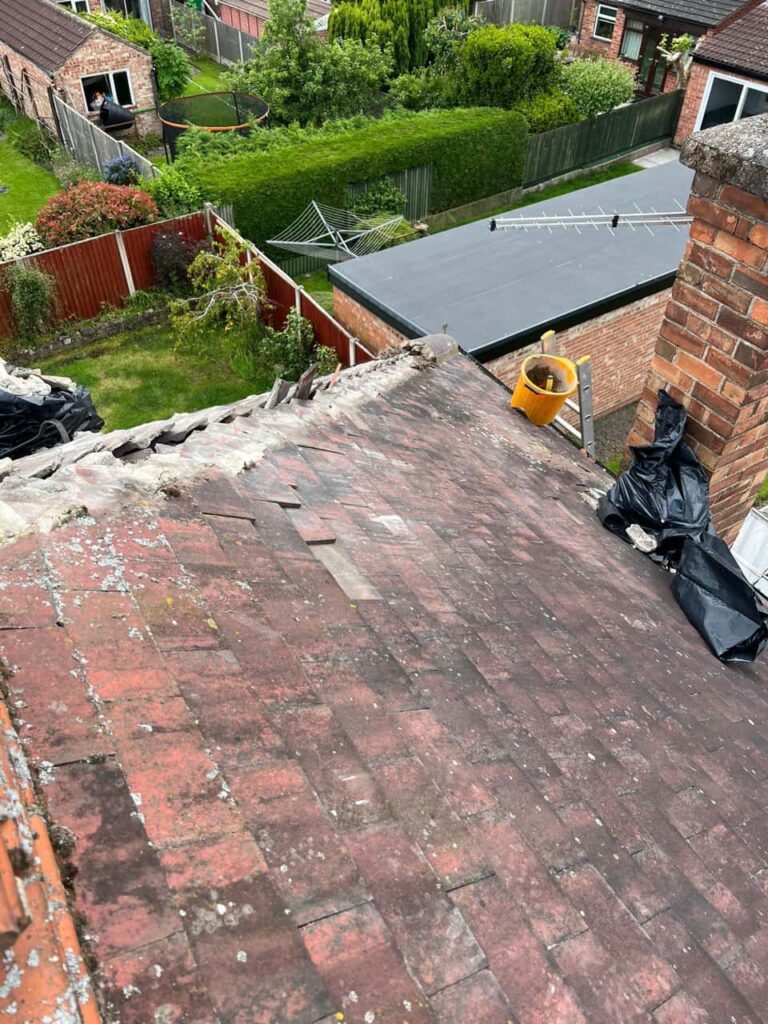
Slate roofs are valued for their natural appearance, durability and ability to complement traditional properties. When properly installed and maintained, slate roofing can provide reliable protection for many years. However, individual slates, fixings and roof junctions can deteriorate over time, making regular inspections and timely repairs important.
For homeowners in Narborough, Leicestershire, maintaining a slate roof helps protect the property against rainwater ingress, wind damage and the gradual effects of weather exposure. Recognising early warning signs can prevent minor defects from developing into more extensive roofing problems.
Narborough Roofing Repairs provides professional roofing services to help homeowners identify slate roof defects, carry out necessary repairs and maintain the condition of their roofs.
Why Does a Slate Roof Need Regular Maintenance?
Although natural slate is a durable roofing material, the roof is made up of several components that work together to keep the building weatherproof. These include the slates, fixings, battens, underlay and flashing around vulnerable areas.
Over time, nails or other fixings may deteriorate, slates can crack or slip, and flashing around chimneys or roof valleys may develop defects. Even a small opening can allow water to enter the roof structure, potentially affecting insulation, timber and internal ceilings.
Regular maintenance helps identify these issues before they cause further damage. It also allows a roofer to assess whether the problem is isolated or part of a wider deterioration affecting the roof.
Common Slate Roof Problems to Look Out For
Cracked or Broken Slates
Slate tiles can crack due to impact, ageing, movement within the roof structure or damage during previous maintenance. A broken slate may leave part of the roof exposed, allowing rainwater to reach the layers beneath.
From ground level, damage may be difficult to identify, particularly on steep roofs. Warning signs inside the property can include damp patches, water staining or unexplained moisture in the loft.
A damaged slate should be assessed promptly. Replacing the affected slate can often restore protection without requiring work across the entire roof.
Slipped or Missing Slates
Slates can become loose when their fixings deteriorate or fail. Wind and movement may cause them to slip out of position or fall away completely.
Missing or displaced slates create gaps through which rainwater can penetrate. They may also indicate that nearby fixings are beginning to fail.
A professional roofer can identify the cause, replace missing slates and check the surrounding area for further signs of movement. Simply repositioning a slate without addressing the underlying fixing problem may lead to recurring defects.
Deteriorating Roof Flashing
Flashing is used around chimneys, roof valleys, abutments and other junctions to prevent water entering where different surfaces meet.
Over time, flashing can crack, lift, separate from adjoining materials or develop defects at its joints. These problems may cause leaks even when the slate covering itself appears to be in good condition.
If dampness develops around a chimney breast or near the junction between a roof and wall, damaged flashing may be one possible cause. A thorough inspection helps establish whether flashing repairs or other remedial work are required.
Damaged Roof Underlay and Battens
The materials beneath the slates provide additional protection and support. Older underlay can become brittle or deteriorate, while timber battens may weaken through prolonged exposure to moisture.
These defects are not always visible from outside the property. Persistent leaks, damp roof timbers or repeated slate movement may indicate a problem beneath the surface.
Where underlying deterioration is suspected, the roofer may need to examine the affected section more closely to determine the appropriate repair.
How to Maintain and Protect a Traditional Slate Roof
Arrange Periodic Roof Inspections
Regular visual checks can help identify missing slates, damaged flashing and other obvious defects. Inspections are particularly useful after severe weather or when signs of water ingress appear inside the property.
However, homeowners should avoid climbing onto the roof, as slate surfaces can be slippery and individual slates may break underfoot. A professional inspection provides a safer and more reliable assessment of the roof’s condition.
Keep Gutters and Drainage Clear
Blocked gutters and downpipes can prevent rainwater from draining away properly. Overflowing water may affect roof edges, fascias and external walls, potentially contributing to moisture problems.
Keep gutters clear of accumulated leaves and debris, and arrange repairs if you notice leaks, sagging sections or persistent overflow. Effective drainage helps protect the roofline and surrounding building fabric.
Address Minor Defects Promptly
A single broken slate or small flashing defect may initially seem insignificant. However, leaving the problem unresolved can allow water to penetrate the roof and damage materials beneath the surface.
Prompt repairs help limit further deterioration and can reduce the likelihood of recurring leaks. It is also sensible to investigate repeated defects rather than treating each one as an isolated problem.
Use Suitable Materials and Repair Methods
Natural slate roofs require appropriate repair techniques and compatible replacement materials. Differences in slate thickness, size and fixing methods can affect how well a repaired section performs.
Careful workmanship helps preserve the roof’s appearance while maintaining its weather resistance. For traditional properties, matching the existing slate as closely as practical can also help maintain a consistent finish.
When Is Slate Roof Repair Better Than Replacement?
Many slate roof problems can be resolved through targeted repairs, particularly when the damage is limited to a few slates, isolated fixings or a small area of flashing.
However, widespread slate deterioration, repeated leaks or extensive damage to the underlying battens and underlay may indicate that more substantial work is needed.
The age of a roof alone does not determine whether it requires replacement. Its overall condition, the extent of defects and the state of the supporting materials should all be considered before making a decision.
Narborough Roofing Repairs can assess the roof and explain whether localised repairs are likely to provide a suitable solution or whether more extensive work should be considered.
Why Choose Professional Slate Roof Repairs in Narborough?
Slate roofing requires careful handling and an understanding of how individual slates, fixings and roof junctions work together. Incorrect repairs can damage surrounding slates or leave vulnerable areas exposed to water.
Professional roofers can investigate the source of leaks, identify loose or broken slates and recommend suitable repairs based on the roof’s condition.
For homeowners in Narborough, Leicestershire, Narborough Roofing Repairs offers a practical way to address roofing concerns and maintain the performance of a traditional slate roof.
Conclusion
Maintaining a slate roof involves more than replacing visibly broken slates. Checking the condition of fixings, flashing, gutters and underlying materials helps preserve the roof’s weather resistance and identify developing problems before they become more serious.
Timely repairs, appropriate materials and professional inspections can help extend the useful life of a traditional slate roof while protecting the property from water damage.
If you have noticed missing slates, recurring leaks or signs of deterioration, contact Narborough Roofing Repairs to arrange a roof assessment in Narborough, Leicestershire, and discuss the most suitable repairs for your property.
Call us on: 0116 216 3498
Click here to find out more about Narborough Roofing Repairs
Click here to complete our contact form and see how we can help with your roofing needs.